Discharge Before Recharge
Clearing away the tensions I keep accumulating so I don't pop.

I’m finishing work next Tuesday.
2 whole weeks off for Christmas …
I could easily say that the feelings in my body are of excitement. The joys of having no work to do, slowly moving towards Christmas Day, buying food, last minute presents and enjoying the company of my family.
But I know from past experience that some of what I’m feeling is pre-exhaustion anxiety.
The exhaustion of wanting to rest but not being able to, of being around people for many more hours than is typical for me, of being solely responsible for all the food, presents, and logistics over the ‘holiday’ period. The exhaustion of worrying that my irritations and frustrations are going to inadvertently express themselves in a very non-party pop!
Breathe. And breathe again.
Ooooofffff.
Just imagining how things could be generates a wave of pressure and stress within me.
Let’s start again.
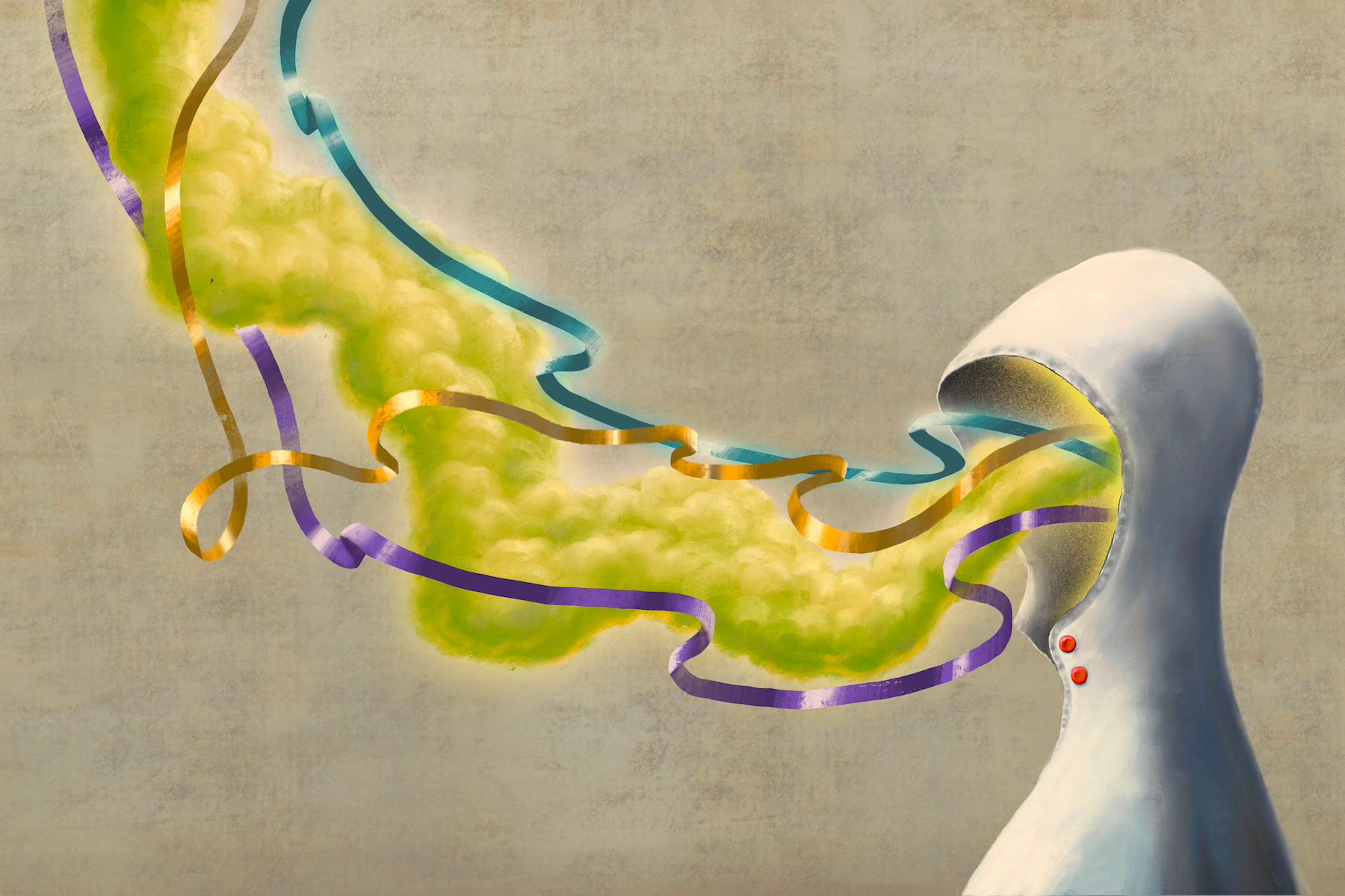
I’ve learned this year that it’s simply not possible for me to recharge if I’m still carrying leftover tensions and stresses that haven’t been discharged. And I’ve been seeing all year how good I am at absorbing energy and I how poor I am at discharging it.
I’m regularly overloaded. Trying to function at nearly full capacity. No space for that extra little surge of stress and pressure that always happens this time of year.
And then I pop.
My frustrations, irritations, anger comes out. Towards myself, others, situations, anything to try to get the accumulated stresses of the year, December, Christmas out of my system. And I know this isn’t kind of helpful to those people who are on the receiving end of my hot and sharp tongue.
You know — those people closest to me, the ones I say I love … ouch!
My intention this year is to do something different — to regularly discharge before recharging.
What I’m realising is I can’t help accumulating tensions and stresses from the situations I find myself in. And whether it’s joy or jealousy, euphoria or anger, I’m a great sponge for other people’s emotions. This feels like both a blessing and a curse — I can sense other people’s emotional states, and I unwittingly take these states into my own self, my own life.
I’ve been tracking this absorption, accumulation, assimilation process all year and learning just what my body does with the stored energy. Noticing how predictable my body sensations are that indicate I’m carrying something that’s not mine. Sensations that regularly show up as contractions in my stomach and tension-pain in my left temple. These body parts repeatedly lighting up to tell me I’m overloaded. Saturated. Contaminated with energy that needs discharging.
If I don’t act on these signals, I am more contracted, more limited and certainly more grumpy.
And what’s becoming clear is that no matter how much rest I try to get, I can’t recharge unless I’ve discharged. My thought-trains are still running. Nervous system still overloaded. Tensions held in muscles, tendons, fascia. Stress that can’t bubble its way out without being jolted.
Three Simple Practices
So, I’m learning some different ways to discharge. And I’m sharing three of my favourites to support you in having an (innerly) peaceful Christmas.
1. SPLASH (1-2 minutes) — the cold water activates the nervous system, clears the accumulated stress, and allows for natural settling:
Splash cold water on your face for 1 minute
Breathe through it — resist the urge to hold your breath
Notice your heart rate and the aliveness in your body
Rub the water off your face with your hands
When I use it: every morning to set my nervous system up for the day ahead, and then again during the day if I’m stuck ruminating, or can’t seem to shift from work to rest mode.
2. SHAKE (2-3 minutes) — this mimics what animals do naturally after stress by completing the fight-or-flight activation stuck in the muscles:
Stand with feet hip-width apart, knees slightly bent
Start bouncing gently on your feet — just a small movement
Let the bouncing turn into shaking — arms, shoulders, butt, whole body
Shake vigorously for 2-3 minutes (put some music on if it helps)
Let yourself make sounds if they want to come (grunts, sighs, groans)
When you stop, stand still for 30 seconds and notice what’s different
When I use it: after an intense interaction or situation, when I’m feeling wired or can’t settle, or feeling ‘numbed out’. I often yawn, cry, laugh, or feel suddenly tired after doing this — signs the discharge is working and my body is releasing whatever it’s been holding.
3. SIGH (10-15 repetitions) — this shifts the nervous system from sympathetic (stress) to parasympathetic (rest) by discharging held tension through the breath:
Sit or stand somewhere you can make noise
Take a normal breath in through your nose
Exhale forcefully through your mouth with a deep sighing sound — AAAHHH or SSSSSS
Empty your lungs completely, pushing all the air out
Pause at the bottom of the exhale for 2 seconds
Let the inhale come naturally (don’t force it)
Repeat 10-15 times
When I use it: whenever I feel pressure in my chest or head, or when I’ve clocked that I’m inadvertently holding my breath, or if I need to clear tension quickly. I can get a little lightheaded and then slow everything down, and sometimes I start coughing or feel a wave of emotion rising within me. This is the energy discharging.
I’ve been tracking what happens when I do these exercises. Noticing what shifts in my body before and after and paying attention to which tensions and sensations are cleared by which practices. I’m beginning to recognise the difference between me being tired (and needing rest) and me being overloaded (and needing to discharge).
This recognition is slowly changing everything.
Discharge before recharge. Every time.
This is simply human | complex world — a space for grounded practices and personal stories as we navigate the complexity of modern life together. I work with people who are caught up in patterns they can see but can’t seem to shift. Coaching through the messy middle of developmental transitions. The kind where old patterns don’t work anymore but new capacities haven’t fully formed yet. If that’s where you are, let’s talk.
Download a printable reference for these three practices: